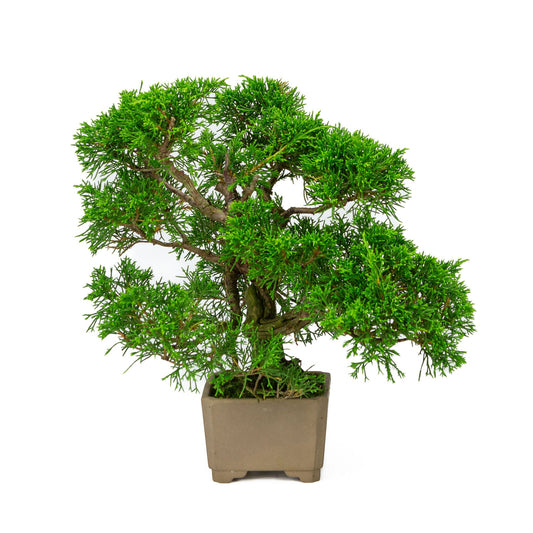
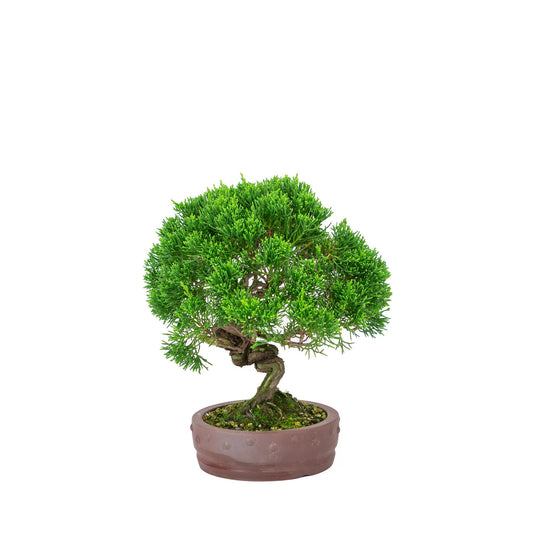
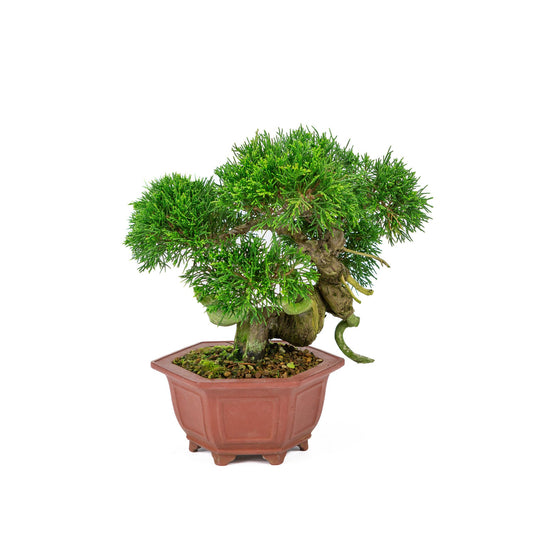
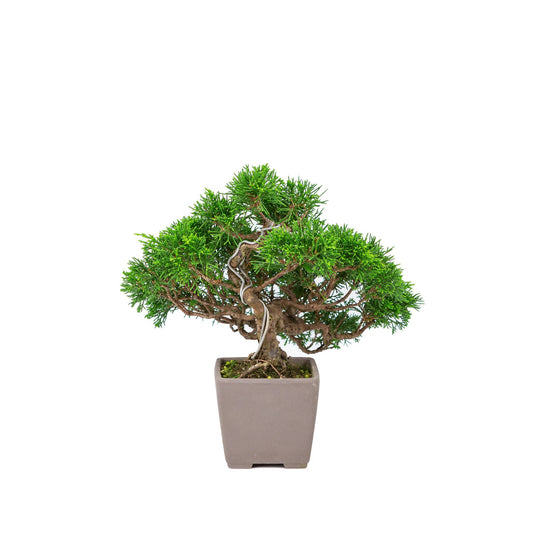
Buy Juniperus Bonsai (Juniper)

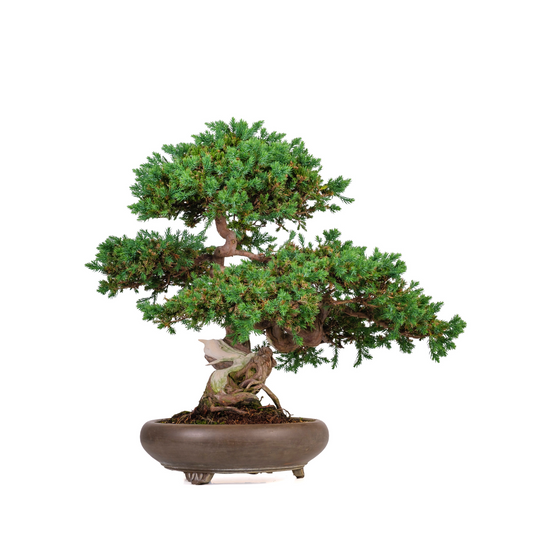
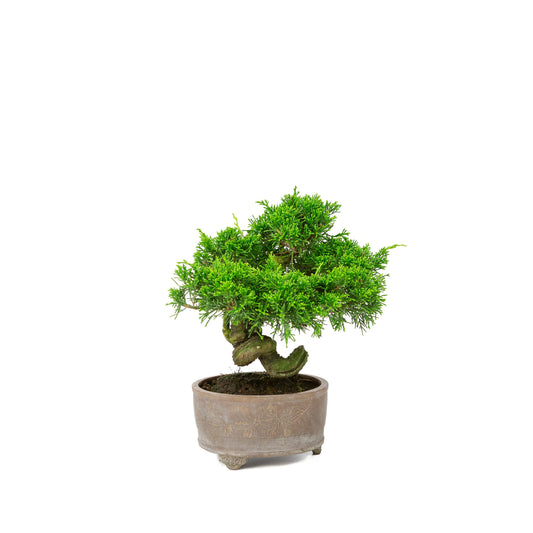
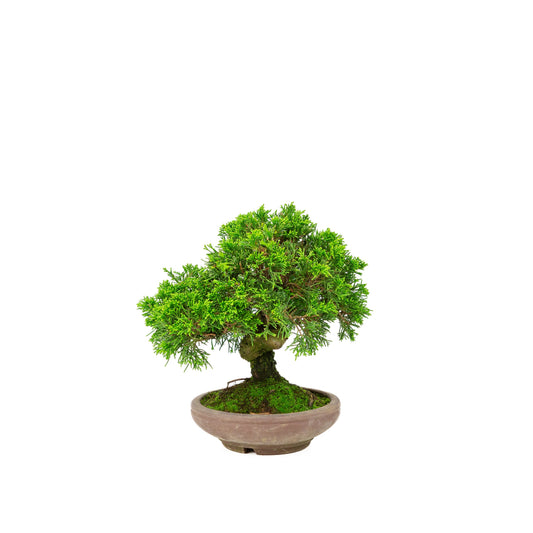
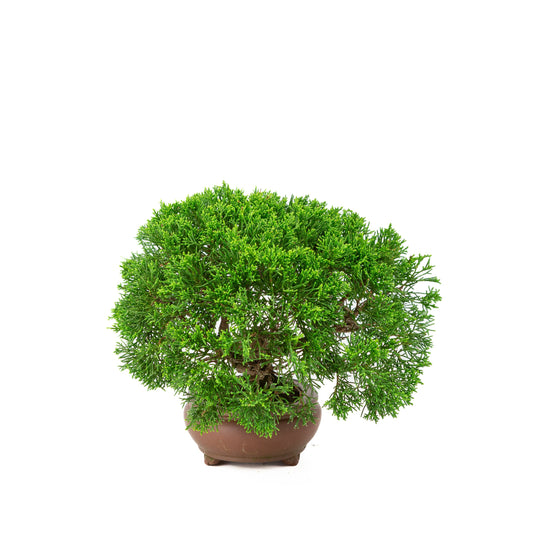
The Juniperus bonsai (juniper) is one of the most classic and popular outdoor bonsai trees. This robust conifer is evergreen and very suitable for beginners. With its characteristic scale-like foliage and naturally weathered appearance, the juniper embodies the essence of bonsai.

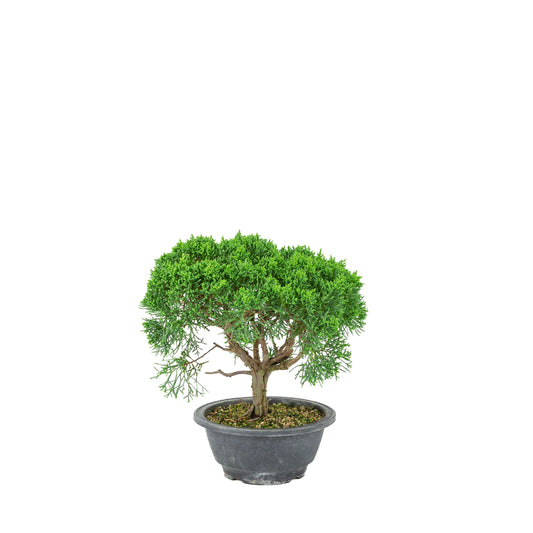
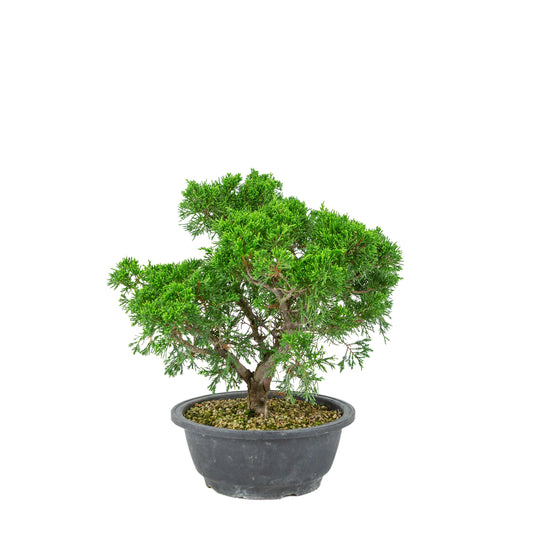
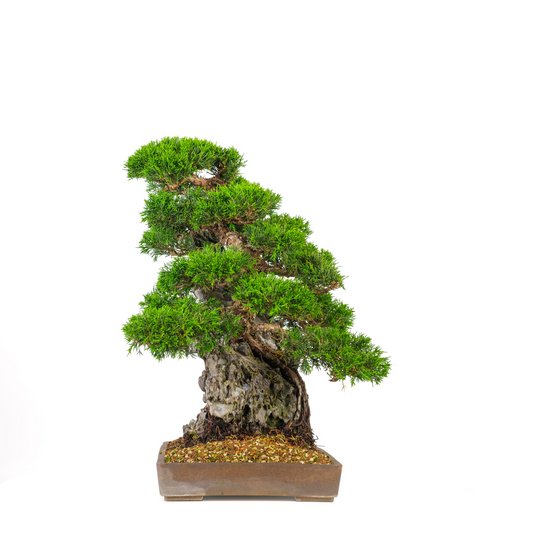
Here we present our Juniperus bonsai range; scroll down for detailed care tips and answers to frequently asked questions.

Care tips for the Juniperus Bonsai

Placing your Juniper bonsai

The Juniperus is an outdoor tree that needs to be outside all year round. Place your tree in a location with as much full sun as possible. The more sun, the more compact and healthy the growth. The Juniperus absolutely cannot be grown indoors, as it will weaken.

Winter care: The juniper is very hardy. Protection is only necessary at temperatures below -10°C. In that case, keep it in an unheated shed, for example. Important: This tree needs a cold winter period, so always keep it outdoors.

Watering - dose carefully

The Juniperus doesn't like too much water. Water only when the top layer of soil feels slightly dry. Be careful with excessive watering—the roots don't like permanently moist soil. Of course, it should never dry out completely, or you'll see the damage a few weeks later: dead foliage.

Fertilization for optimal growth

Fertilize your Juniperus bonsai monthly with organic fertilizer pellets during the growing season (spring through fall). You can also use liquid fertilizer weekly. Do not fertilize in winter.

Repotting for a healthy root structure

Repot your tree every two to three years in early spring. The Juniperus tolerates root pruning well, but don't be too aggressive. Use a well-draining bonsai soil, such as a mix of Akadama and Vulkastrat, possibly slightly coarser than standard.

Pruning and shaping

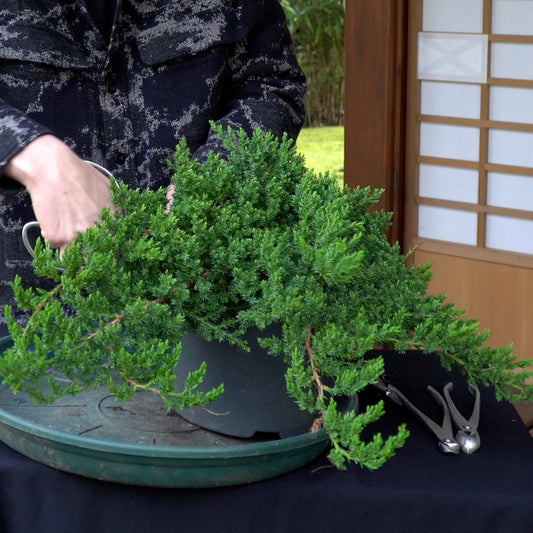
The juniper grows continuously. Prune long shoots throughout the season with sharp shears. Always prune at the base of the shoot – never cut off all the green tips, as this weakens the tree.

Important: Old junipers cannot sprout from bare wood. Always leave some green on the branches you want to keep.

On our informative platform Bonsai Empire you will find even more information about the Juniperus.

Juniperus video

Frequently Asked Questions

How often should I water my Juniperus?

Only when the topsoil is slightly dry. Junipers don't like permanently wet soil. Less so in winter, but never allow it to dry out completely.

What about 'Chinensis' and 'Itoigawa'?

Juniperus chinensis (Chinese juniper) is the standard species popular in bonsai for its robust growth and ability to withstand rigorous pruning. Itoigawa is a particularly prized cultivar within the Chinensis species, known for its fine, compact green foliage that retains its color year-round and its dense, elegant branching—an absolute favorite for refined bonsai styling.

Can my Juniperus be kept indoors?

No, absolutely not. This is a common mistake. The Juniperus is an outdoor tree that will die within a few months indoors. Always keep it outdoors.

My Juniperus is turning brown, what now?

Brown foliage can be caused by prolonged overwatering, or even a brief absence of water, but also by insufficient light or disease. Check your watering schedule and ensure full sun.

When should I prune my Juniperus?

You can prune outgrown shoots throughout the growing season. Major structural pruning is done in summer or autumn.

How can I remember what to do and when?

You can download our Bonsai Care App, which is available for free in the app stores. It features smart reminders and allows you to keep track of photos of your tree.

Is the Juniperus suitable for beginners?

Yes, very suitable! The Juniperus is robust and forgiving of minor care mistakes. A perfect first outdoor tree.

Buy Juniperus Bonsai at the Bonsai Shop

At the Bonsai Shop, you're guaranteed a healthy, high-quality juniper. All our trees are grown in our own greenhouse, and with over 20 years of experience, we know exactly what to look for. With every order, you'll receive comprehensive care advice—not standard brochures, but genuinely useful tips tailored to your tree.