Which Bonsai tools do I really need?
The selection of bonsai tools is overwhelming. Prices range from a few tens of euros to hundreds of euros each. There are also several specialized bonsai pliers, available in both hardened and stainless steel.
Our webshop also offers a wide selection, which is certainly great, but you might also benefit from a few tips on choosing the right bonsai shears and pliers. Below is a selection from our range, but read on for tips for both beginners and experienced bonsai enthusiasts!
Bonsai tools
-
Buy bonsai shears
Various shears are used for maintaining bonsai trees, often based on Japanese...
-
Buy bonsai pliers
Various pliers have been developed for shaping bonsai trees, many based on...
-
Bonsai wire
Anodized aluminum wire is often used for wiring bonsai trees. We sell...
For the beginner: start with quality
If you only have a few indoor bonsai, you can easily keep them in shape with kitchen scissors. But if you're more serious and want to get started yourself, start with the two most important tools:
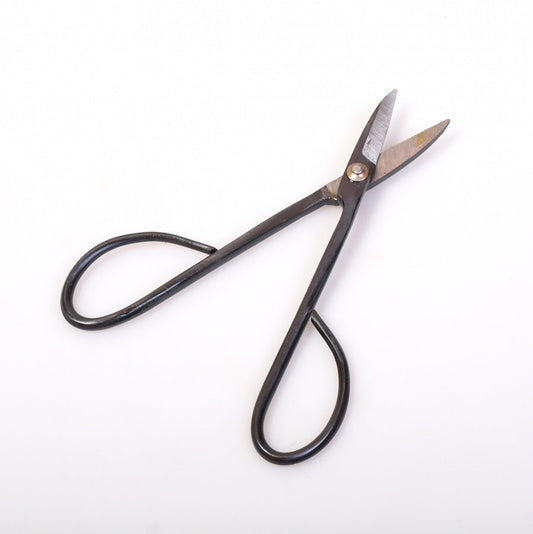
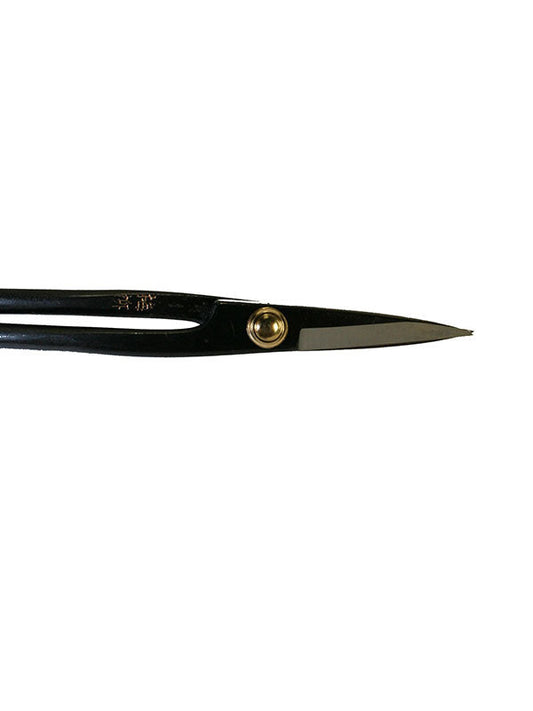
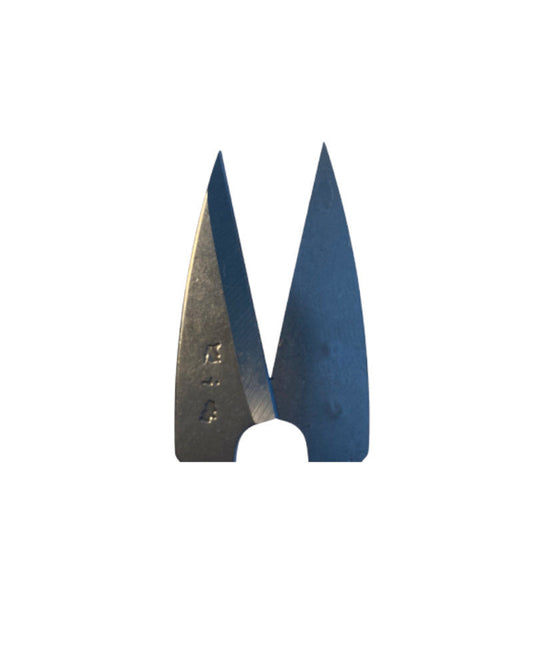
Twig Shears - For finer pruning of smaller branches and twigs. The standard, elongated shape of these bonsai shears is ideal for reaching all areas of the tree.
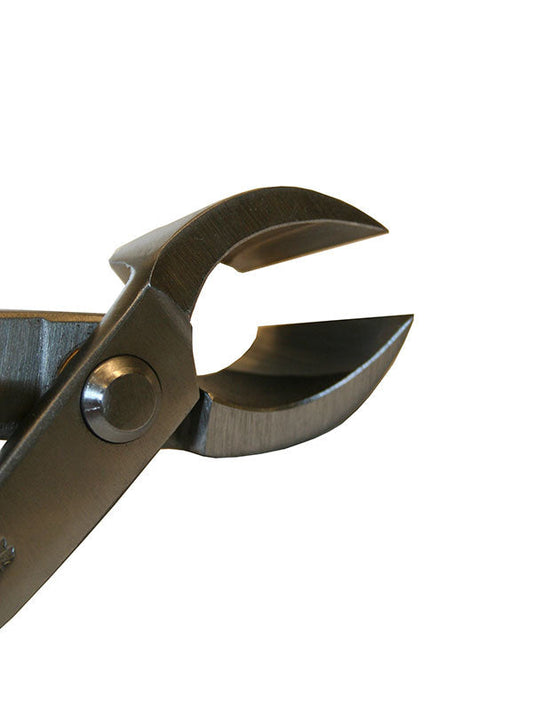
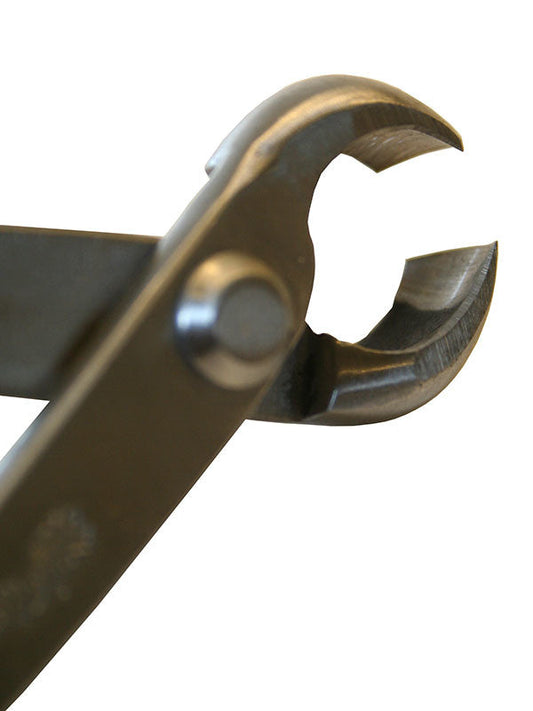
Concave pliers - For pruning branches from the trunk. The concave cut ensures that wounds heal flat. Choose a medium size unless you have mainly large trees.
With just these two bonsai tools, you'll go a long way. It's wiser to spend your budget on two good shears than on a basic set of pliers. When you run into limitations, you'll naturally expand with tools like:
- Wire cutters and aluminum bonsai wire (for initial wiring)
- Small saw (when branches become too thick for the pliers)
- Root hook (during first repotting)
- Strong shears for root pruning
Choosing bonsai tools
For the serious practitioner
As you work more intensively with bonsai, you'll need more specialized tools, and your budget often increases as well. This happens gradually. First, you'll find a second pair of concave pliers in a different size useful. Then, you'll find that narrow bonsai shears make working in dense crowns easier. This way, your collection grows organically.
Pruning and shaping
- Jintang (useful for wiring and making deadwood)
- Multiple sizes of concave pliers (small for fine branches, large for sturdy branches)
- Concave pliers with semi-circular cutting edges (for even deeper concave cuts)
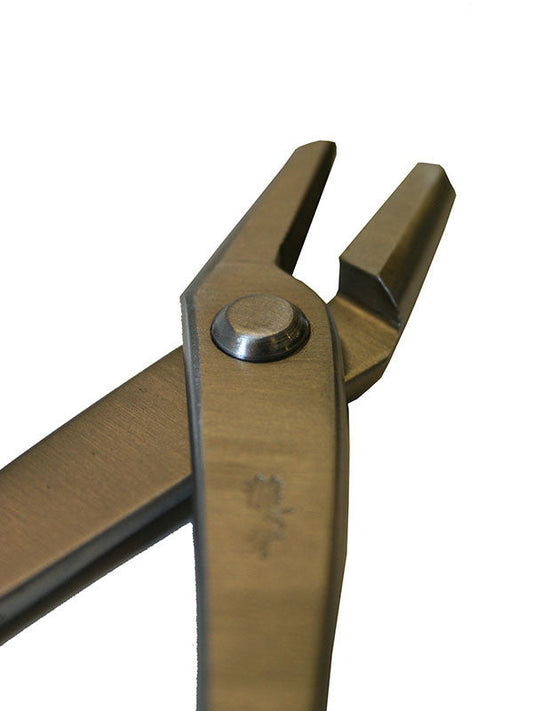
- Knob pliers (creates deeper wounds for specific effects)
- Long narrow shears (for working between dense branches)
- Leaf shears (for pruning leaves and removing wilted flowers)
- Grafting (smoothes rough cuts for better healing)
- Various sizes of saws (Japanese saws work by pulling, not pushing)
Repotting and root work
Repotting requires your own tools, such as a root hook and root shears or a saw. A few other items are also helpful:
- Root shears or sturdy standard shears
- Carrot hook
- Sickle knife for loosening the root ball from the pot
- Screens for substrate in different fineness (removes dust and separates granules)
- Scoops for filling pots under low-lying branches
- Chopsticks for poking substrate between roots (careful, do not damage roots)
- Spatula and tweezers for applying moss and removing weeds
Wiring and bending
Aluminum wire is easier to work with than copper and is ideal for beginners. Copper provides a firmer hold but requires more strength and experience. For this reason, it's never used with deciduous trees because it can damage the bark. In short, start with aluminum wire in various thicknesses: 1mm, 1.5mm, 2mm, 3mm, and 4mm. You'll also need:
- Wire cutters (regular scissors break on wire)
- Jintang (bends wire and processes jin)
- Raffia or self-fusing rubber tape (protects against heavy bending)
- Transparent tubes (protection for tension wires)
- Branch benders and screw clamps (for extreme bending of thick branches)
Jin and shari (deadwood work)
This is advanced work. Jin and Shari imitate the natural deadwood formations in mountains caused by lightning, wind, and weather. The goal is authentic-looking wood, without visible human traces. You'll need:
- Branch splitter (splits dead branches multiple times naturally)
- Jintang (loosens fibers from conifers, removes loose pieces)
- Small chisels and loop knives (peeling bark, cutting grooves)
- Gouge sets in different shapes (wood shapes and contours)
- Steel, brass or nylon brushes (remove protruding fibres)
- Jin liquid (bleaches and preserves at the same time)
Work carefully and plan ahead. Once removed, wood will not grow back.
Bonsai shears and pliers
-
Bonsai twig shears slim, basic quality, 185mm
Regular price €9,00 EURRegular priceSale price €9,00 EUR -
Bonsai mini shears (gray, basic quality)
Regular price €5,00 EURRegular priceSale price €5,00 EURSold out -
Bonsai pruning shears 180 mm
Regular price €23,50 EURRegular priceSale price €23,50 EUR -
Bonsai Mini Scissors (brown, basic quality)
Regular price €5,00 EURRegular priceSale price €5,00 EUR
-
Bonsai Ryuga knob pliers stainless steel 179 mm
Regular price €49,50 EURRegular priceSale price €49,50 EUR -
Bonsai Ryuga concave pliers stainless steel 170 mm
Regular price €49,50 EURRegular priceSale price €49,50 EUR -
Bonsai Ryuga Jin plier stainless steel 208 mm
Regular price €54,50 EURRegular priceSale price €54,50 EUR -
Bonsai Ryuga knob pliers stainless steel 210 mm
Regular price €57,00 EURRegular priceSale price €57,00 EUR
Quality of Bonsai tools and maintenance
Japanese tools represent top quality and attention to detail. The pliers are often handmade. But the prices deter beginners. A Japanese concave pliers easily costs €150.
Chinese tools nowadays offer decent quality and are considerably cheaper. For beginners, Chinese is fine, or a brand like Ryuga, which isn't Japanese but is very good. With intensive use, you'll eventually notice the difference and might switch to the beautiful Japanese bonsai tools.
Black steel vs. stainless steel - Black steel rusts if not maintained. However, it produces sharper cutting edges because it's harder. Stainless steel costs 30-50% more but prevents rust. For humid climates or forgetful users, stainless steel is a better option.
Maintenance tips - You can keep your shears and pliers in good condition by wiping them down after use, removing any remaining sap, and occasionally lubricating the cutting edges with a little oil. Disinfecting them with alcohol between uses helps prevent the spread of diseases, and don't forget to lubricate the hinges. Once a year, you can sharpen your bonsai shears with a whetstone (practice this on old tools first) and thoroughly inspect them for rust or other wear.
Dull tools create jagged cuts that heal poorly. Sharp tools cut smoothly, and the tree recovers quickly. Use tools only for their intended purpose. Bonsai shears are not universal cutting pliers. Properly cared for, bonsai tools will last for decades.
A turntable makes work more enjoyable. For beginners, it's a luxury, not a necessity. With growing collections, it saves lifting and prevents wear and tear. Simple turntables are sufficient; adjustable tables on three legs offer more comfort.
Other Bonsai tools
-
Other tools
Besides pliers and shears, we offer a variety of other bonsai tools....
-
Wiring materials for Bonsai
Besides wire, various tools are useful for wiring your bonsai trees. We...
-
Turntables
Here we offer turntables and platforms, very useful for maintaining your Bonsai...
-
Bonsai watering cans
Watering your bonsai is crucial, and these watering cans make it just...
Our advice when purchasing Bonsai pliers and shears
Start with quality – concave pliers and twig shears are the foundation. Invest in quality here. A decent pair of concave pliers will last a long time. Cheaper ones costing a few tens of euros become blunt and leave ragged edges.
Add as needed - Don't buy complete sets. They often contain tools you'll never use. Expand when you start applying a technique. Are you repotting? Then buy repotting tools. Starting with wiring? Get wire cutters and aluminum wire.
Buy from an expert - the Bonsai Shop offers expert advice and supplies only high-quality products. Feel free to contact us if you'd like some advice.