Buy Azalea Bonsai

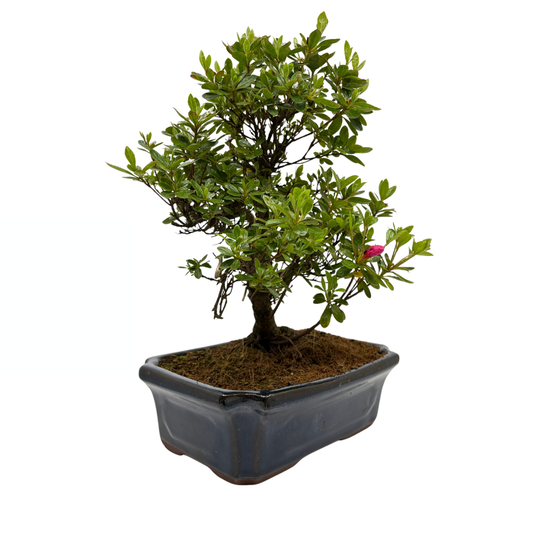
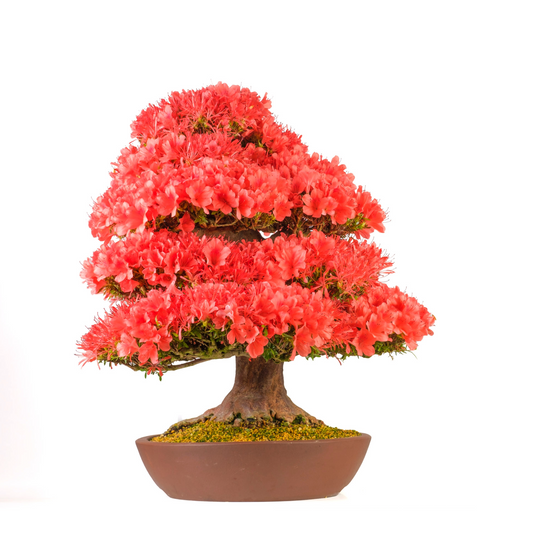
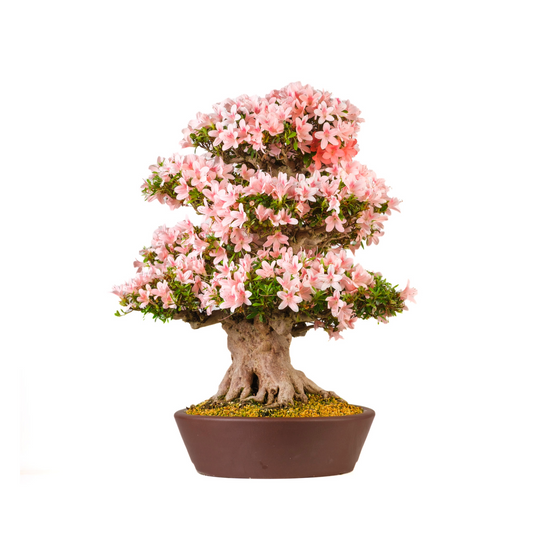
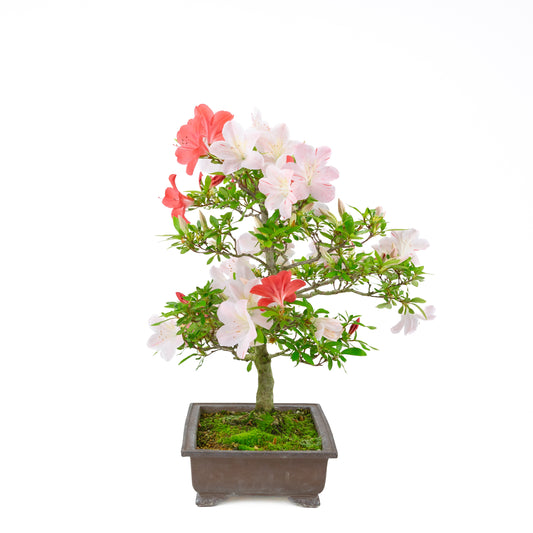
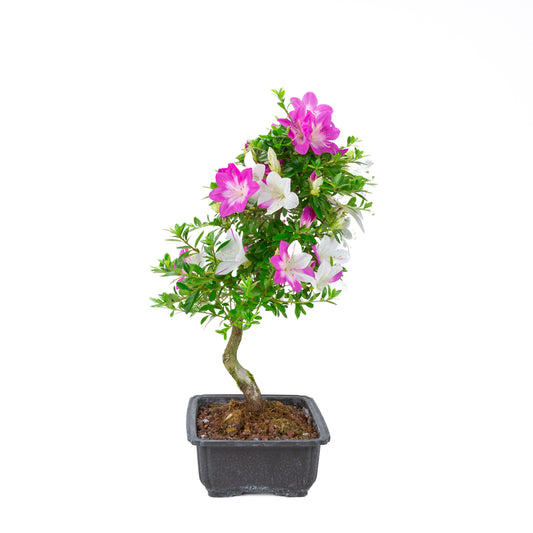
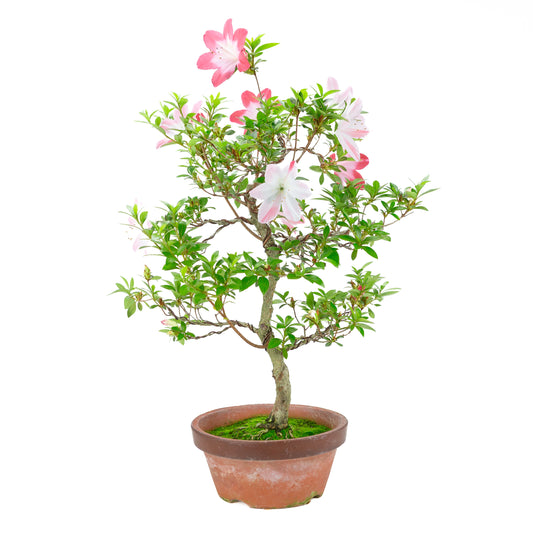
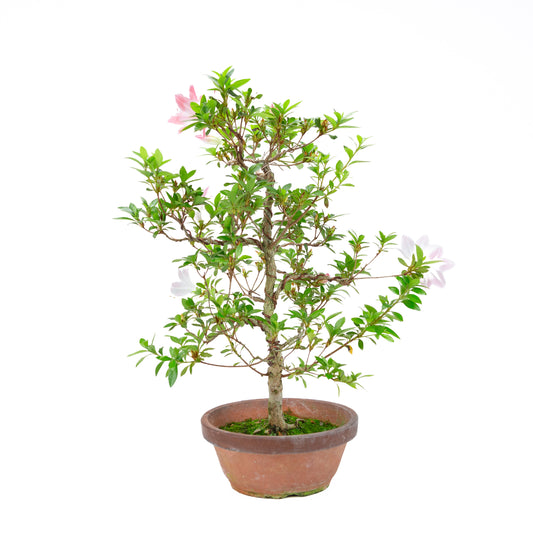
The azalea bonsai (Rhododendron), and especially the Satsuki variety, is among the most spectacular flowering bonsai. This outdoor tree is known for its profusion of white, pink, red, or purple flowers in late spring. With proper care, the azalea is a beautiful addition to any collection.

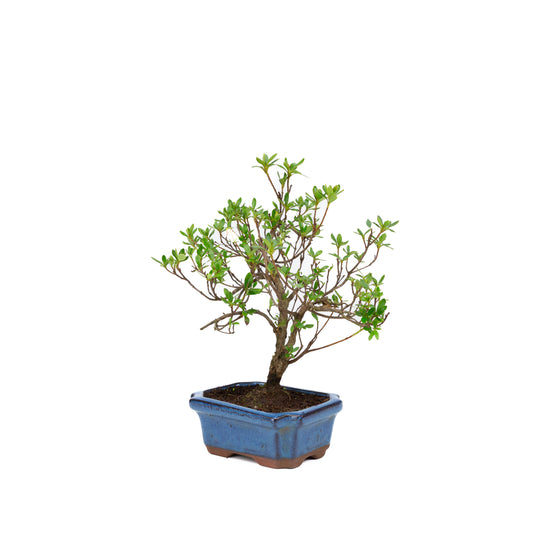
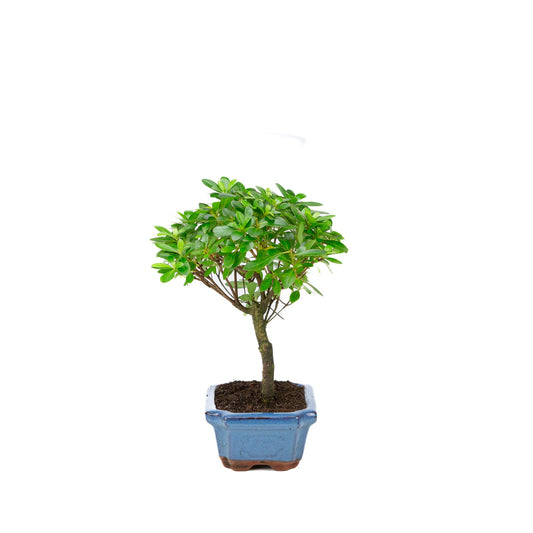
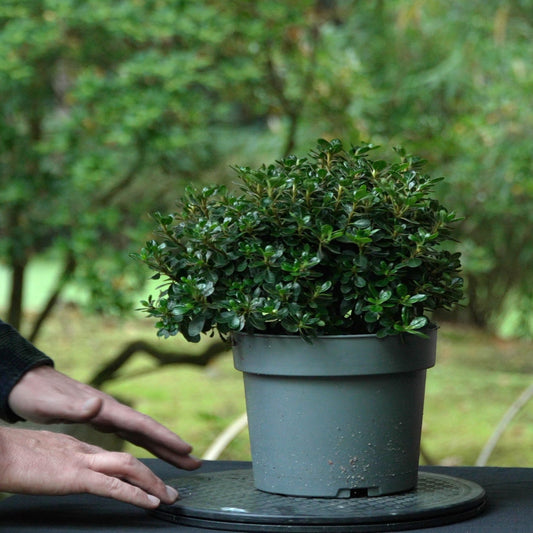
Here we present our Azalea bonsai range; scroll down for detailed care tips and answers to frequently asked questions.

Care tips for the Azalea Bonsai

Placing your Rhododendron bonsai

The azalea is an outdoor tree that needs to be kept outdoors year-round. Place your tree in a bright spot – too much bright afternoon sun in midsummer can cause leaf burn. Partial shade works well in July and August.

Winter care: The azalea is fairly hardy but requires protection from temperatures below -5°C. Store it in an unheated shed at night or use an unheated greenhouse.

Watering - keep constantly moist

The azalea should never dry out. Keep the soil constantly slightly moist, but not soaking wet for extended periods. This is crucial for azaleas—a single complete dry spell can mean death.

Practical tip: Check the soil daily for moisture. If in doubt, water carefully. Preferably use rainwater – the azalea prefers acidic soil, and hard tap water can cause problems.

Fertilization for optimal growth and flowering

Fertilize your azalea with special azalea/rhododendron bonsai fertilizer. During the growing season, apply liquid fertilizer every two weeks or organic granules, such as BioGold, every four to six weeks. During flowering, stop fertilizing or use a maximum of half the dosage.

Repotting for a healthy root structure

Repot your tree every two to three years, immediately after flowering or in early spring. The azalea has very fine, interwoven roots—be careful when root pruning. Use special azalea soil (Kanuma) or an acidic, well-draining mix. Regular bonsai soil or Akadama is too alkaline.

Pruning and shaping

Prune immediately after flowering – this is the most important time! Flower buds for next year are already forming in summer. Pruning too late means no flowers next year. Remove spent flowers immediately. Cut back new shoots when they have 4-6 leaves.

On our informative platform Bonsai Empire you will find even more information about the Azalea.

Azalea video

Frequently Asked Questions

How often should I water my Azalea?

Check daily and water as soon as the topsoil becomes slightly dry. The soil should always be slightly moist. Use rainwater or soft water.

Can my Azalea be kept indoors?

No, the azalea is an outdoor tree. It can be brought indoors for short periods during bloom to shine, but then immediately returned outdoors.

My azalea isn't blooming, what now?

The tree needs plenty of light, and new buds must form after the previous bloom. Prune too late (after June) and you'll have no flowers next year. Also, ensure sufficient cold in winter.

When does the Azalea bloom?

The Satsuki azalea typically blooms in May-June (late spring). The blooms can last for several weeks.

What is the difference between Satsuki and Kurume?

Azaleas for bonsai fall primarily into two groups: Satsuki (Rhododendron indicum) is by far the most popular, with late blooms in May-June and a huge variety of flowers—cultivars such as 'Kaho', 'Kozan', 'Nikko', and 'Chinzan' are popular. The Kurume azalea (Rhododendron obtusum) is also suitable, with smaller, earlier blooms and more compact foliage. However, Satsuki remains the top choice because of its delicate foliage, strong branching, and spectacular blooms—essential for classic Japanese bonsai.

How can I remember what to do and when?

You can download our Bonsai Care App, which is available for free in the app stores. It features smart reminders and allows you to keep track of photos of your tree.

Why is my Azalea getting yellow leaves?

This is often caused by hard water (too much lime). Use rainwater or filtered water. Too little fertilizer can also cause yellow leaves.

Buy Azalea Bonsai at the Bonsai Shop

At the Bonsai Shop, you're guaranteed a healthy, high-quality azalea. All our trees are grown in our own greenhouse, and with over 20 years of experience, we know exactly what to look for. With every order, you'll receive comprehensive care advice—not standard brochure talk, but genuinely useful tips tailored to your tree.