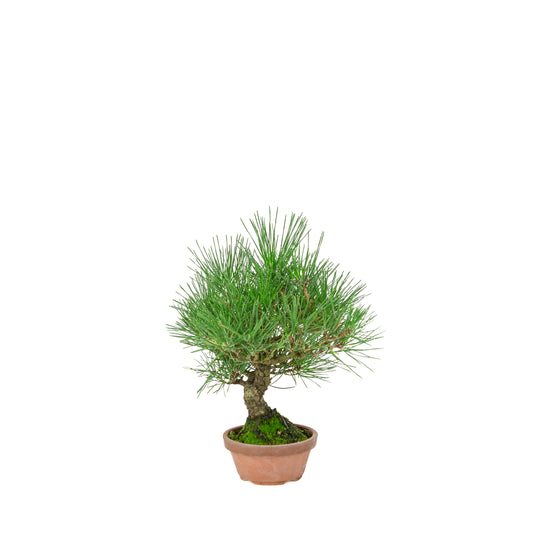
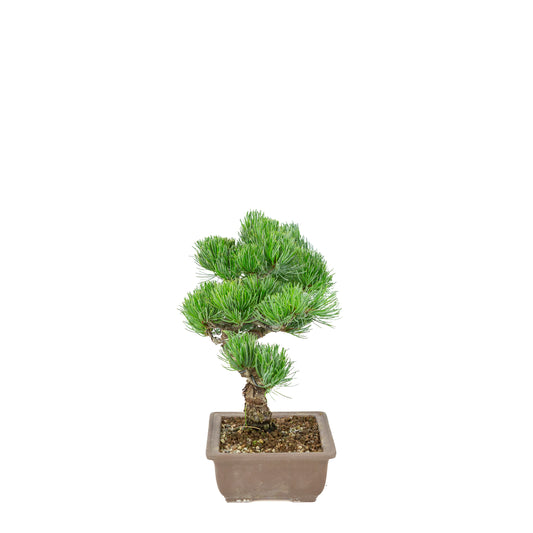
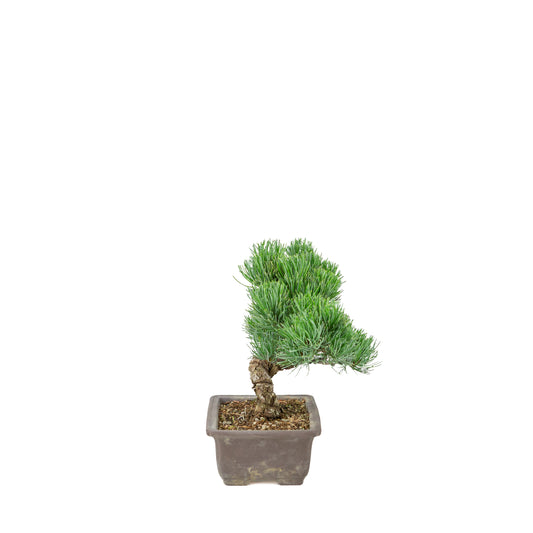
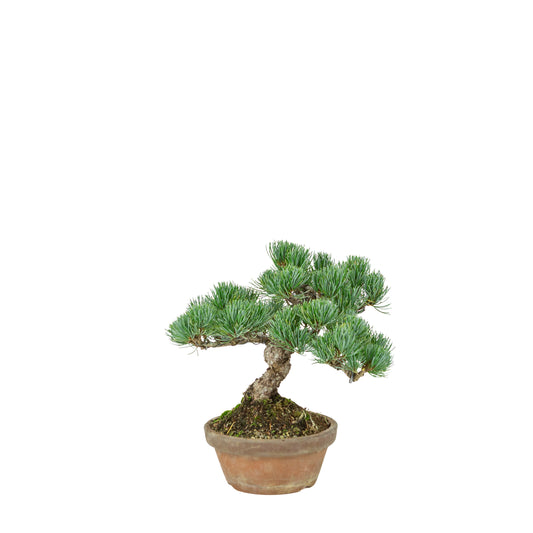
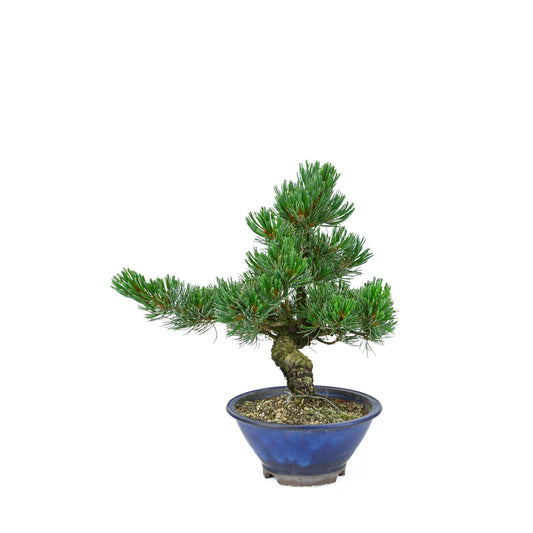
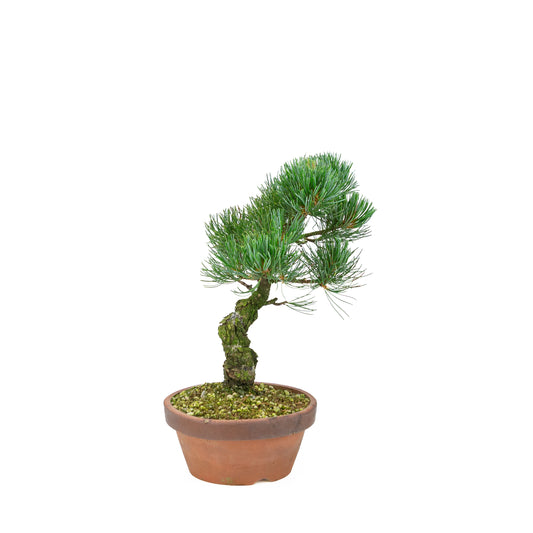
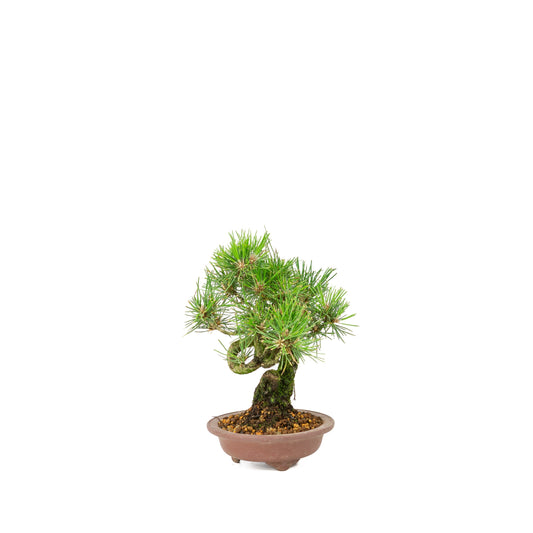
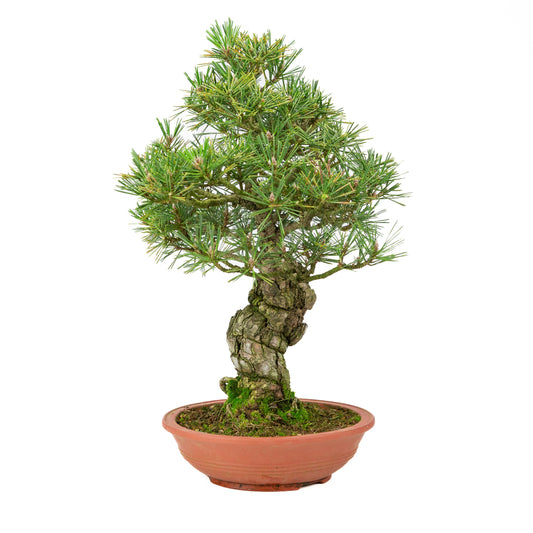
Buy Pinus Bonsai (Pine)

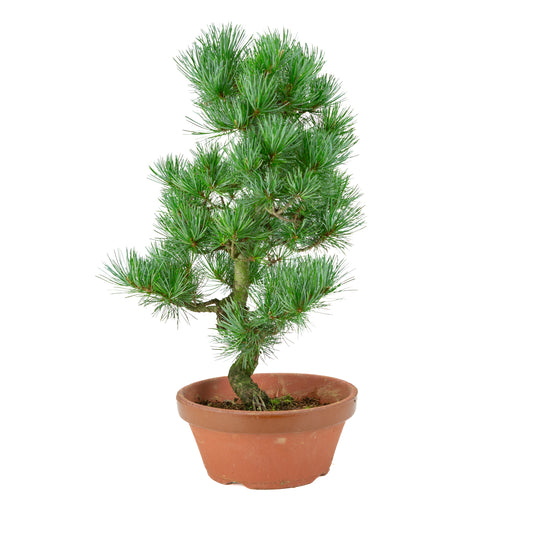
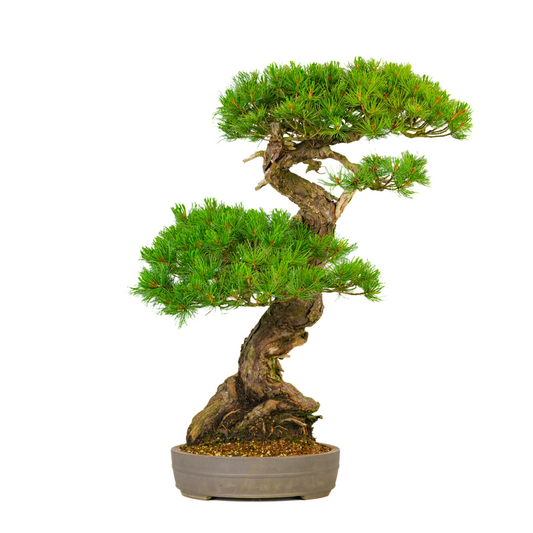
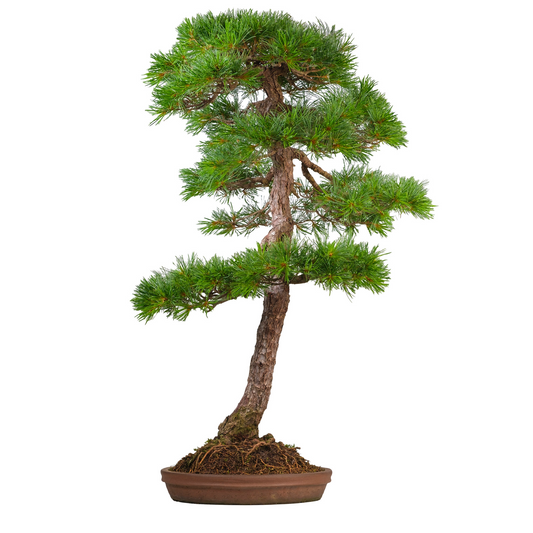
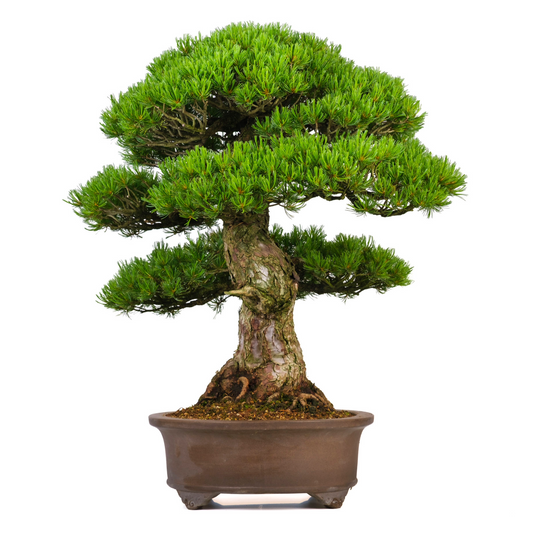
The Pinus bonsai (pine) is one of the most classic and prized bonsai. The Black Pine (Pinus thunbergii) symbolizes strength and eternity. And the Japanese White Pine (Pinus parviflora) is prized for its elegant appearance. The Pinus requires specific care, so it's not necessarily suitable as a first bonsai, but it is highly sought after by enthusiasts.

Here we present our Pinus bonsai range; scroll down for detailed care tips and answers to frequently asked questions.

Care tips for the Pinus Bonsai

Placing your Den bonsai

The Pine is an outdoor tree that needs to be outside year-round. Place your tree in full sun – pines need plenty of light for healthy growth and short needles. Too little sun results in long, limp needles.

Winter care: Pines are very hardy (to -20°C and colder), but in pots they need protection from extreme frost. For temperatures below -10°C, store in an unheated shed or cold frame. Important: Always keep outdoors; cold is essential. This applies to both the Japanese black pine and the white pine.

Watering - moderate and controlled

Pines don't like too much water. Water only when the soil becomes slightly dry. Excessive watering is harmful—good drainage (a good soil mix) is crucial.

Practical tip: Check daily, but water only when needed. Protecting the plant from excessive rain during the growing season can help keep the needles shorter. In winter, water sparingly, but never allow it to dry out completely.

Fertilization for optimal growth

Fertilize healthy pines from early spring to late autumn. Preferably use organic, solid fertilizer pellets.

Repotting for a healthy root structure

Repot in early spring, just as the buds begin to swell. Young pines should be repotted every 2-3 years, older specimens less often. Use a well-draining mix. Important: Pines require a special fungus (mycorrhiza) around their roots—always save and reuse some of the old soil when repotting.

Pruning and shaping

Pine pruning is specialized. The Japanese black pine (Pinus thunbergii) and the white pine (Pinus parviflora) also require different techniques and differ in timing. The basic rule: Allow new buds to develop and then cut them back to the desired length (spring/early summer). Never remove all the green tops—this severely weakens the tree.

For beginners: Start with basic pruning, then move on to advanced techniques like decandling. Prune thick branches in the summer when wounds heal quickly.

On our informative platform Bonsai Empire you will find even more information about the Pine.

Pinus video

Frequently Asked Questions

How often should I water my Pine?

Only when the soil becomes slightly dry. Pines do not like permanently moist soil. Water sparingly in winter, but never allow it to dry out completely.

Can my Pine tree be kept indoors?

No, absolutely not. Pines are strictly outdoor trees. Indoors, they're guaranteed to die, often within a few months.

What are Pinus sylvestris, nigra, densiflora, and mugo?

Besides the white pine (Pinus parviflora) and black pine (Pinus thunbergii) we sell, there are other popular pine species in Europe for bonsai. The Scots pine (Pinus sylvestris) is native and beloved for its robustness and orange-red bark, while the Austrian pine (Pinus nigra) is valued for its vigorous growth and dark needles. The Japanese red pine (Pinus densiflora), with its characteristic reddish-brown bark, and the mountain pine (Pinus mugo) are also common; however, we focus on the classic white and black pines because of their refined aesthetics and rich bonsai tradition.

My Pinus has brown needles, what now?

Old needles (older than 2-3 years) turn brown and fall off—this is normal. Young brown needles indicate problems: too much water, disease, or too little light.

When should I prune my Pine?

Prune back new buds in spring/early summer. Do major structural pruning in summer. First, familiarize yourself with pine pruning—it's not something you can explain in two sentences. Bonsai Empire shares helpful information about these species.

How can I remember what to do and when?

You can download our Bonsai Care App, which is available for free in the app stores. It features smart reminders and allows you to keep track of photos of your tree.

Is the Pinus suitable for beginners?

Pines require a bit more knowledge, especially around pruning. For motivated beginners who want to delve deeper, it's certainly possible, but don't start with your very first bonsai.

Buy Pinus Bonsai at the Bonsai Shop

At the Bonsai Shop, you're guaranteed a healthy, high-quality white or black pine. All our trees are kept in our own greenhouse, and with over 20 years of experience, we know exactly what to look for. With every order, you'll receive comprehensive care advice—not standard brochures, but genuinely useful tips tailored to your tree.